One Photo or One Sentence: Log a Meal in Under a Minute
A food scanner app should take seconds, not minutes. Here is when to shoot the plate, when to type one sentence, and how to log fast.
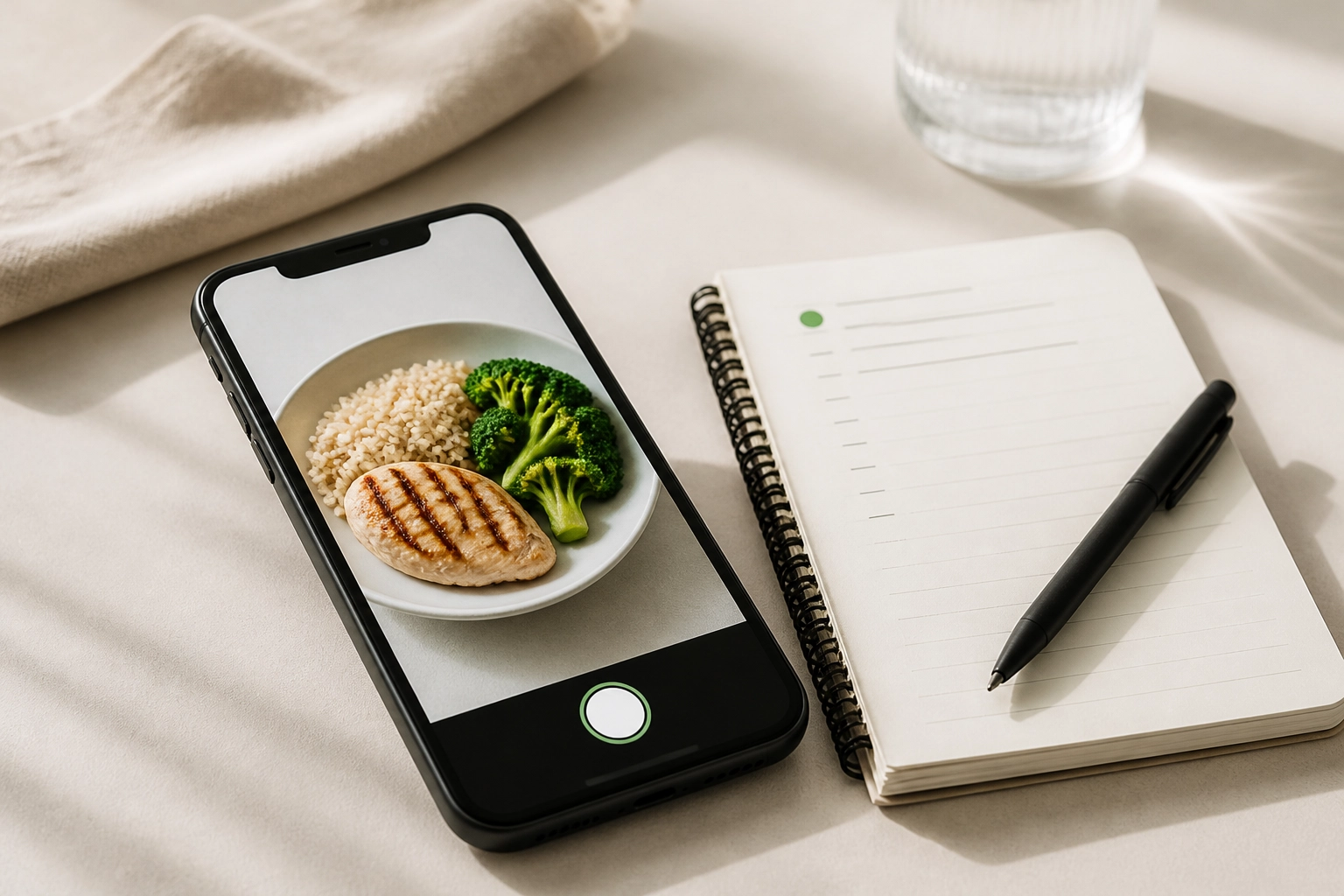
It's 12:30 on a Tuesday. You have a plate in front of you, a meeting in twenty minutes, and a tracking app asking you to search for every ingredient. That search step is where a lot of good intentions quietly fall apart. For a lot of people, if logging a meal takes more than about a minute, it stops happening. So this post is about a simpler habit: log first, then refine only the entries that would actually change your day's totals. You will learn why searching a food database breaks tracking, what to have ready before you log, and a simple rule for deciding whether to shoot your plate or write one sentence. We will walk through photo logging in under a minute, one-sentence logging, which path to reach for, and where estimates get rough. We will also cover the honest catch: faster logging does not log itself, how to choose a food scanner app when speed is the whole point, and what this looks like in a normal week. Platika helps you understand your food in seconds. By the end, you will have a one-minute logging plan you can use in a busy week.
Why searching a food database is the step that breaks tracking
Open the app. Type "chicken." Scroll past 40 near-identical results. Guess a portion. Repeat three times a day until it quietly stops around week two.
Here's the thesis: two input paths, a photo or one sentence, cover almost every real meal. Neither asks you to search a food database mid-forkful.
The fix isn't more willpower. Research supports frequency over perfection: a 2019 study in the Journal of the Academy of Nutrition and Dietetics identified tracking at least two eating occasions per day as the best marker of adherence across two mHealth weight-loss trials.
Digital logging isn't the slowdown either. A very small 2015 study of 18 young women found computer and smartphone food records weren't significantly different from paper, and participants rated the digital methods more acceptable.
The "under a minute" figure is Platika's design goal, not a measured study finding.
What you need before you log anything
Three things, that's it.
Your phone camera. The words you'd use to tell a friend what you ate. And a rough daily target, calories, protein, or both. No food scale, no barcode hunting, no gram-level precision yet.
Pick two anchor meals you'll always log, usually breakfast and dinner. Two is a target you can defend on a chaotic Tuesday; six is a wish. Self-monitoring sits at the center of behavioral weight-loss programs, though the evidence is rated weak and leans on self-report.
Decide the trigger now. Phone on the table means you log before the first bite. Section seven covers why that cue matters more than your app choice.
Decide your default too, so you're not debating mid-meal. Most people land on photo at the table, sentence for anything they can't see.
Shopping around? Any food scanner app worth keeping makes the input step shorter than the meal itself.
One last thing. Write a sentence describing today's lunch right now. That's the whole skill.
The deciding rule: shoot the plate or write one sentence
Here is the rule you will use at the table.
Ask one question: could someone else look at this and see what I ate? If yes, reach for the camera. If no, because it is soup, curry, casserole, or a smoothie, type the sentence.
Photo is the default for a plated meal, a packaged snack, a single-ingredient item like an apple, and a restaurant plate you shoot before touching it.
Sentence is the default for anything in a bowl, anything mixed together, homemade dishes, multi-ingredient drinks, and any meal logged from memory.
Run the text-a-friend test: "chicken burrito bowl with rice, black beans, cheese, no sour cream" is a sentence. "Bowl" is not.
Stop at about a minute, phone out to entry saved. Still adjusting values? You have overshot, and the entry is rarely more accurate for it.
One rule outranks both: the version you finish while the food is still warm beats the version you wanted to record.
How to log a meal by photo in under a minute
Deciding is the hard part. The shooting takes seconds.
Shoot from above. Hold your phone about a foot over the plate and get the whole thing in frame. Angled or cropped shots turn portion size into a guess for you and for the estimate.
Give it scale. If a fork, a can, or your hand is already on the table, let it into the frame. No staging.
Shoot before you eat. An empty plate says almost nothing, and a half-eaten one isn't much better.
One photo per plate. Six angles don't improve the number, they just eat seconds.
Expect weak spots. Photo estimates are roughest on mixed, layered plates, where oils and sauces hide. Solids are estimated more accurately than liquids, and liquids more accurately than amorphous foods.pdf) like pasta.
Section nine covers those plates. Platika's AI Food Scanner is built for this step: photograph the meal and get estimated calories, protein, carbs, and fats without typing a single item into a search bar.
How to log a meal in one sentence
The photo path covers what you can see. For everything else, one sentence does it.
Write like you talk. "Two slices of pepperoni pizza and a side salad" reads better than "pizza, pepperoni, slice, x2, salad, side," which is database syntax nobody speaks.
Order helps as a habit: biggest item first, then sides, then the extras that move numbers, like oil, butter, cheese, sauces, and drinks.
Use the portion language you would use with a friend: a big bowl, a handful, half the plate, a palm-sized piece. Precision you would never say out loud rarely helps the estimate.
Add the modifiers that change the estimate: fried, creamy, with cheese, extra oil, full-fat. These carry more weight than thirty more characters of detail.
Aim for 10 to 15 words. Past that, you are spending time, not gaining accuracy, and the minute is gone.
Platika's AI food logging reads everyday descriptions, so there is no reason to translate lunch into database syntax first.
Photo vs. one sentence: which to reach for
So: when do you shoot, and when do you type?
One question decides it: could someone else see what you ate?
Yes means photo. It is quicker and hands-free at a restaurant table, but it struggles with hidden ingredients, mixed dishes, and anything already eaten.
No means sentence. It wins on mixed bowls, homemade dinners, and meals recalled from memory. It costs speed and portion detail you never noticed.
For a busy week, run the hybrid: photo at breakfast and dinner, one sentence at lunch.
Comparing food scanner apps? Judge them on input time and on whether both paths live in one place, not on database size. The best food scanner app for a real week is the one you finish using.
A free food scanner app is not automatically the weak pick. Check that photo and sentence logging are both included, since each covers the other's blind spot.
No rankings here; the market data does not exist.
Just remember that faster logging still needs a trigger.
The honest catch: faster logging does not log itself
Here is the part most logging advice skips: faster logging removes effort, not forgetting. A 2021 study that randomized 100 people across a wearable, a photo app, and a standard database app found lower-burden arms reported more difficulty remembering to log. On the reported item, the photo app scored 4.0 out of 7.
A faster method does not make the habit automatic. The fix is a trigger, not a new app: phone on the table when you sit down, log before the first bite. That is practical advice, not a research finding.
Defend at least two logged eating occasions per day during a busy week, even when each takes twenty seconds. That target traces to a 2019 adherence study; confirm the full text before treating it as settled. A 2025 paper on minimum tracking days exists, but its findings are unavailable here.
One missed day is not a failure state. Log the next meal and carry on; the anchor is frequency, not a perfect record.
Log first, refine only what changes the day's totals
With logging triggered, the rule is: get the entry in within a minute, then leave it alone unless editing changes today's totals.
Worth a second pass: a protein-heavy meal logged vaguely when protein is your goal, a huge meal with an obviously off photo estimate, and any meal pushing you near your target.
Not worth it: the fourth salad this week, a splash of milk in coffee, one bite of a child's sandwich, the difference between 6 and 7 ounces of rice.
Fix a time for refinement, once a day, two minutes max. Most days nothing needs changing, and skipping it is valid.
Platika covers the first pass: its AI Food Scanner and plain-language AI food logging work in seconds, and the recipe nutrition calculator plus recipe screenshot import from TikTok or Instagram handle home cooking, where one photo or sentence struggles.
Never rebuild an entry to fix a small number. Editing one field takes seconds; re-entering a whole meal turns a one-minute habit into a chore.
Where estimates get rough, and what to do about it
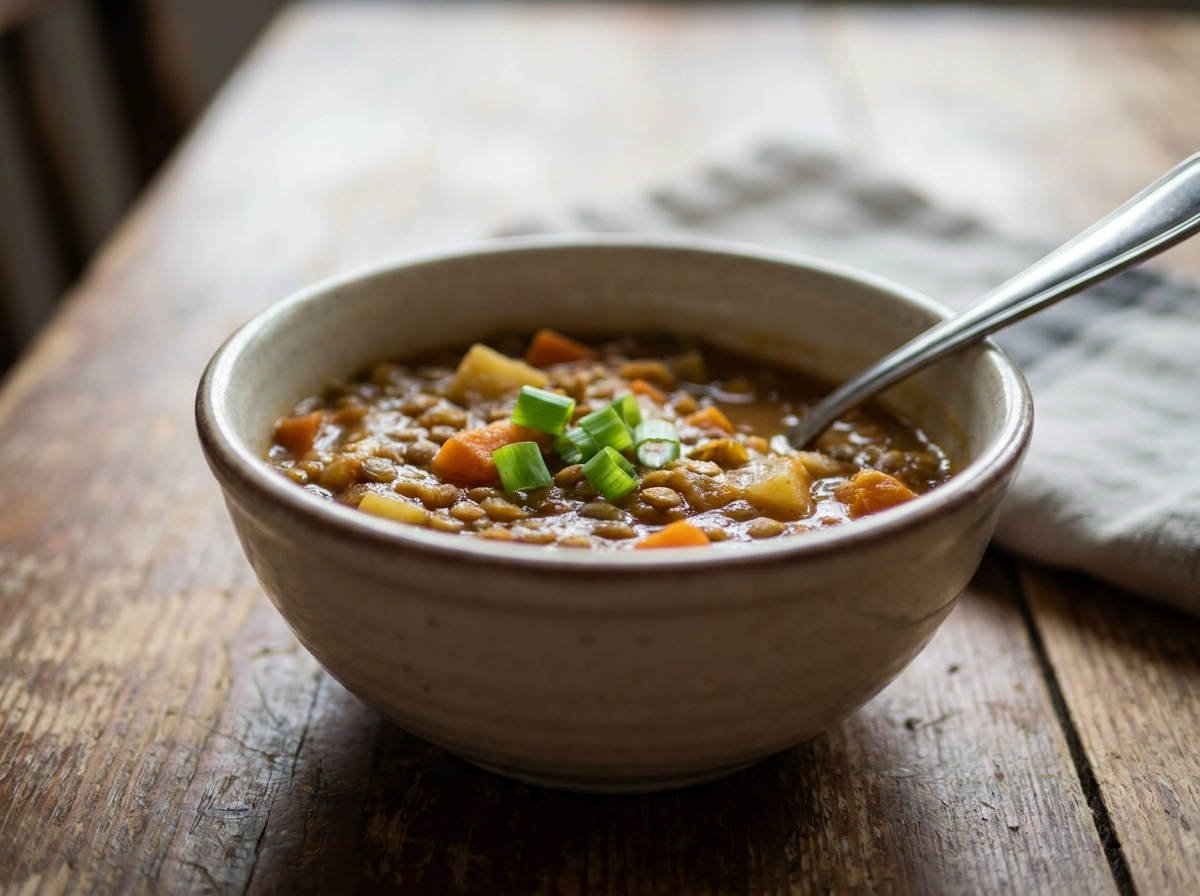
Even after a smart refinement pass, some meals stay fuzzy, and that's expected. Mixed and composite plates are where both paths stumble most: curries, casseroles, stir-fries, burritos, anything layered. Hidden oils and sauces are the usual culprits.
Homemade recipes are different. The number depends on what went into the pan, so figure out a per-serving value once and reuse it for leftovers rather than guessing plate by plate.
Restaurant meals usually fail on portion size, not identification. You name the dish right and underestimate how much of it arrived.
Drinks and cooking fats are the quiet omissions. A sentence that says "cooked in butter" and "one glass of wine" closes more of the gap than extra photo detail.
We're not claiming photo or sentence logging is accurate for mixed plates. Validation studies on photo methods exist, but their findings aren't available here, so no accuracy figures. Practical coverage, not precision, is the promise.
So don't chase accuracy where it's unattainable. Chase consistency. A rough entry that exists beats an exact entry that never gets made.
What this looks like in a normal week
Picture a hypothetical week. Monday: photo of breakfast, one sentence for the desk lunch, photo of dinner. Three entries, about two minutes of your day total.
Wednesday: lunch slips your mind until 4pm. Type the sentence from memory anyway. A late, rough entry still counts as a logged eating occasion.
Friday takeaway curry: sentence, not photo. A photo of curry says almost nothing about what is in it.
Weekend batch cooking: log the batch once, then reuse that entry when leftovers show up Tuesday.
By Sunday night your totals are approximate, but the week is visible. That visibility is the actual goal, and it is exactly what the search-every-item habit never delivered. Same seven days with the old method: still three entries behind, and no idea whether the week was on track.
Choosing a food scanner app when speed is the whole point
When you compare a food scanner app, judge it on one metric: seconds from plate to saved entry. Nothing else comes close for a busy adult.
Next, check that photo and one-sentence logging live in the same app. A photo-only tool fails on soup and smoothies; a text-only tool fails on a plate you could have captured in two seconds.
Test the edits. A scanner app for food is only as good as its ability to let you fix one number without rebuilding the entire meal.
Treat database size as a weak proxy, since a million-item database still asks you to search it, and searching is the step this method exists to avoid.
On free tiers, confirm both paths are included before you commit, because splitting photo and sentence logging across two apps is how the workflow falls apart.
Finally, ask one question of any tool: does it make tomorrow's logging more likely, or just today's entry prettier?
Get that one right and the rest of the week follows.
Conclusion: your one-minute logging plan
Here is the whole plan in five lines. Photo when the food is visible on a plate; one sentence when it is mixed, homemade, or already eaten. Cap it near a minute, and when the clock runs out, stop refining and save. Attach logging to sitting down, because speed saves effort but only a fixed cue saves the habit. Refine once a day, two minutes maximum, and only the entries that would move today's totals. Aim for two logged eating occasions most days, and treat a missed day as a missed day, not a broken streak.
That is it. No database searches, no perfect week. Platika's AI Food Scanner and plain-language logging are built to keep that first pass this fast, so the habit survives a busy Tuesday.